A biome is a complex biotic community that have distinctive plant and animal species and kept under the weather of the region, especially a community that has developed to climax.
What are some different biomes that Per. 1 is not studying about?
http://dictionary.reference.com/browse/biome
Wednesday, May 6, 2009

What is our Biome?
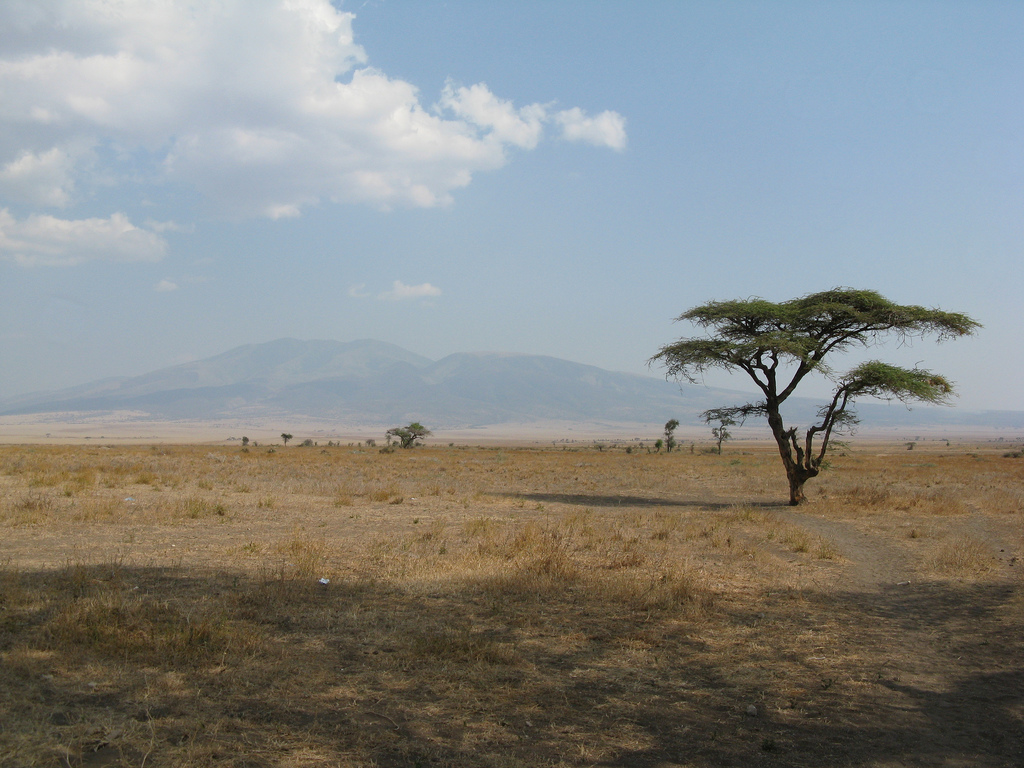
Our biome is a savanna.
Savanna has a wet and dry climate that is distinct to this biome. It is mostly tropical except it is dry in winter. Savannas get all their rain in the summer months. The plants are lush and the rivers flow freely. During the dry season, the plants die and river dry up. It is also cooler and most animals migrate away. The temperature does not change much.
Here is the rainfall and temperature data for our biome:
•68 to 86 (20 to 30 Celsius) degree Fahrenheit in the summer
•68 to 78 (25 to 30 Celsius) degree Fahrenheit in the winter
•10 to 30 inches of rain in the wet season and in the dry season it hardly rains at all.
We believe that this biome has a high degree of biodiversity, boasting Africa’s Big Five: African elephants, Cape buffalo, Lions, Hippopotamus, and white rhinoceros. There are also leopards, gnu, baboons, black mamba, and emu, and a wide variety of plants.
What other animals do you expect to live in the savanna besides those mention above?
Savanna has a wet and dry climate that is distinct to this biome. It is mostly tropical except it is dry in winter. Savannas get all their rain in the summer months. The plants are lush and the rivers flow freely. During the dry season, the plants die and river dry up. It is also cooler and most animals migrate away. The temperature does not change much.
Here is the rainfall and temperature data for our biome:
•68 to 86 (20 to 30 Celsius) degree Fahrenheit in the summer
•68 to 78 (25 to 30 Celsius) degree Fahrenheit in the winter
•10 to 30 inches of rain in the wet season and in the dry season it hardly rains at all.
We believe that this biome has a high degree of biodiversity, boasting Africa’s Big Five: African elephants, Cape buffalo, Lions, Hippopotamus, and white rhinoceros. There are also leopards, gnu, baboons, black mamba, and emu, and a wide variety of plants.
What other animals do you expect to live in the savanna besides those mention above?
Where in the world is a savanna?

Savannas occur in hot tropical climates like northern Australia, India, Sub-saharan Africa, and northern south America. We have noticed that most savannas appear close to the equator and rain forests. They appear because there is not enough rain to support forests in tropical places. This has to do with the wind on Earth that carry rain.
Overgrazing is a problem on the savanna turning this biome to desert. Each year many acres of savanna is turned to desert areas, shrinking the distribution of savannas. Do you know why?
The Serengeti National Park


<--The Serengeti is a real world example of our biome. Here are some animals that live in our biome. :) They are Africa's big five. -->
The Serengeti National Park is a region in North western Tanzania that extends down to south western Kenya. It is the place of the largest overland migration in the world. Its name is derived from the Maasai word ‘serenget’ which means endless plains.
What other real world examples of our biome can you find?
Tuesday, May 5, 2009
What can you find there?
Above is the famous youtube phenomenom Battle of Kruger which shows the epic battle of a herd of buffaloes, crocodiles, and lions. This shows a basic impression of life and the scenery of the savannas. :)
Scene during Wet Season:
There would be herds of zebra and cape buffaloe as well as massive herd of gnu (wildebeasts). The grass is tall and lush during this season. The trees are mostly acacia for the giraffes and elephants to eat. Thompson gazelles would be abundant for the predators to hunt. Lions, cheetahs, leopards, and hyenas will be on the hunt like the rare African Wild dog. Acacia trees crown the ground. In the south American savannas, it would be flooded by the Orinoco River and capybaras and marsh deer roam in search of food.
Scene during the Dry season:
The grass would be withered and the trees bare of leaves. Predators starve and most of the herbivores are gone because they migrate away. Water is scarce because it barely rains. Competition is very fierce. In the south American savannas, the savanna would not be flooded.
The largest rodent in the world lives in the south American savannas. What is it?
HINT: It looks like a giant guinea pig!
Friday, May 1, 2009
Plants in this Biome... --(-@

1)Senegal Acacia
This plant is a typical thorn tree in the savanna that grows up to 20m tall. They tend to grow in sandy places and can withstand long periods of drought, perfect for the savanna. Their role in their biome is to provide shelter and nesting places for many kinds of animal because the trees look like a giant thorny umbrella with a flat top.
Giraffes, elephants, and antelopes eat the leaves. They have adapted to this environment by using thorns to fend off hungry herbivores from their water storing parts. Elephants and the others only eat the leaves so it proves this defense has worked.
This tree is considered sacred by the Ancient Hebrews. Do you know why?
Subscribe to:
Posts (Atom)